
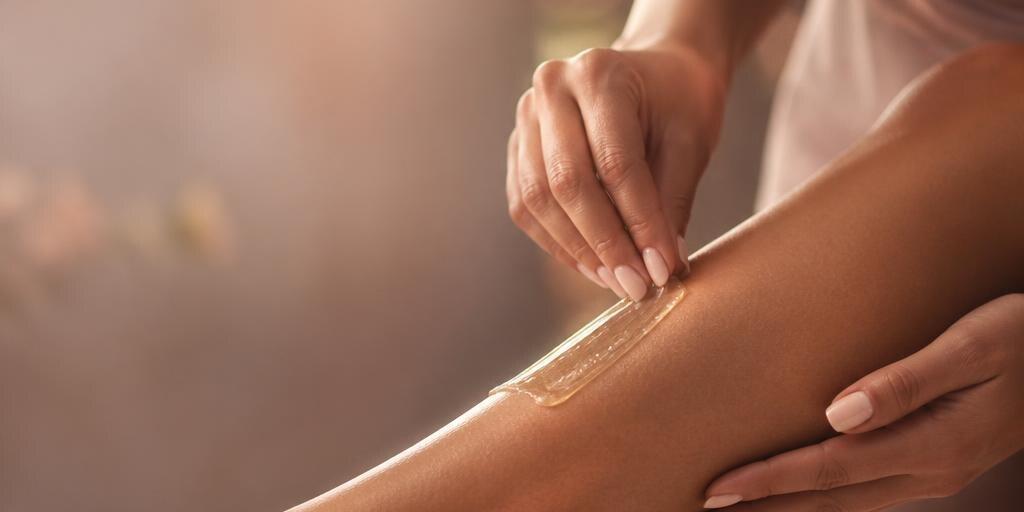
Have you ever felt a burning sensation, redness or soreness after a wax? Or left a service feeling less confident than when you arrived? Waxing should be approached with care. A few simple steps before and after can help you feel prepared and more comfortable.
Waxing is a temporary hair-removal method, and we recommend a little preparation before your appointment. This guide shares our practical recommendations for before, during and after waxing in Abu Dhabi, with citations supporting the advice.[1]
How should I prepare for waxing?
We recommend arriving with the area clean and dry, as this helps wax adhere. If you are unsure whether the hair is ready, ask us before trimming it; we recommend checking rather than guessing about the ideal length.[2][3]
We recommend postponing waxing over broken skin or an area where blood has been drawn. Please tell us before starting if the area is sunburned, unusually sensitive or irritated, so we can discuss whether postponing is sensible rather than assume waxing is suitable that day.[1][2]
For facial waxing, we recommend telling us if you use topical retinol or prescription retinoids. We recommend avoiding retinoid creams for two to five days beforehand, as waxing may remove skin along with hair. If you use a prescribed treatment, check with the clinician who prescribed it before changing your routine.[2]
What happens during a Vesna Waxing Appointment?
Before your service, we recommend telling us which area you would like treated and mentioning any sensitivities or questions. Waxing removes hair from the selected area; it can feel uncomfortable, and the experience varies from person to person.[3][2]
Hygiene and Comfort: What are our standards?
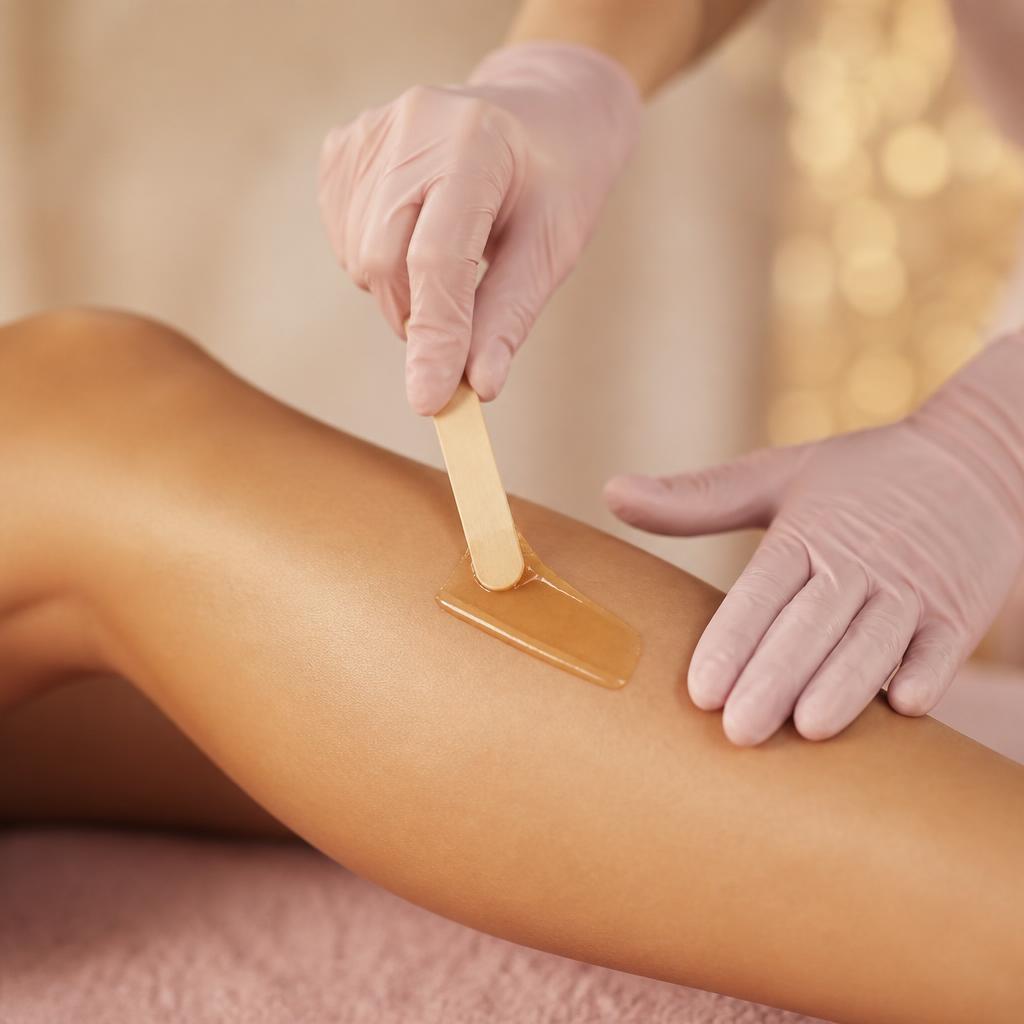
If you have ever seen an applicator double-dipped, had wax reused or felt an overly forceful pull, it is understandable to worry about hygiene and irritation. Reusing wax or applicators is a hygiene concern, while forceful removal can add discomfort. Redness and soreness can also depend on individual skin sensitivity. NSW Health recommends single-use applicators, not reusing wax, clean linen and hand hygiene.[1]
What should I do after waxing?
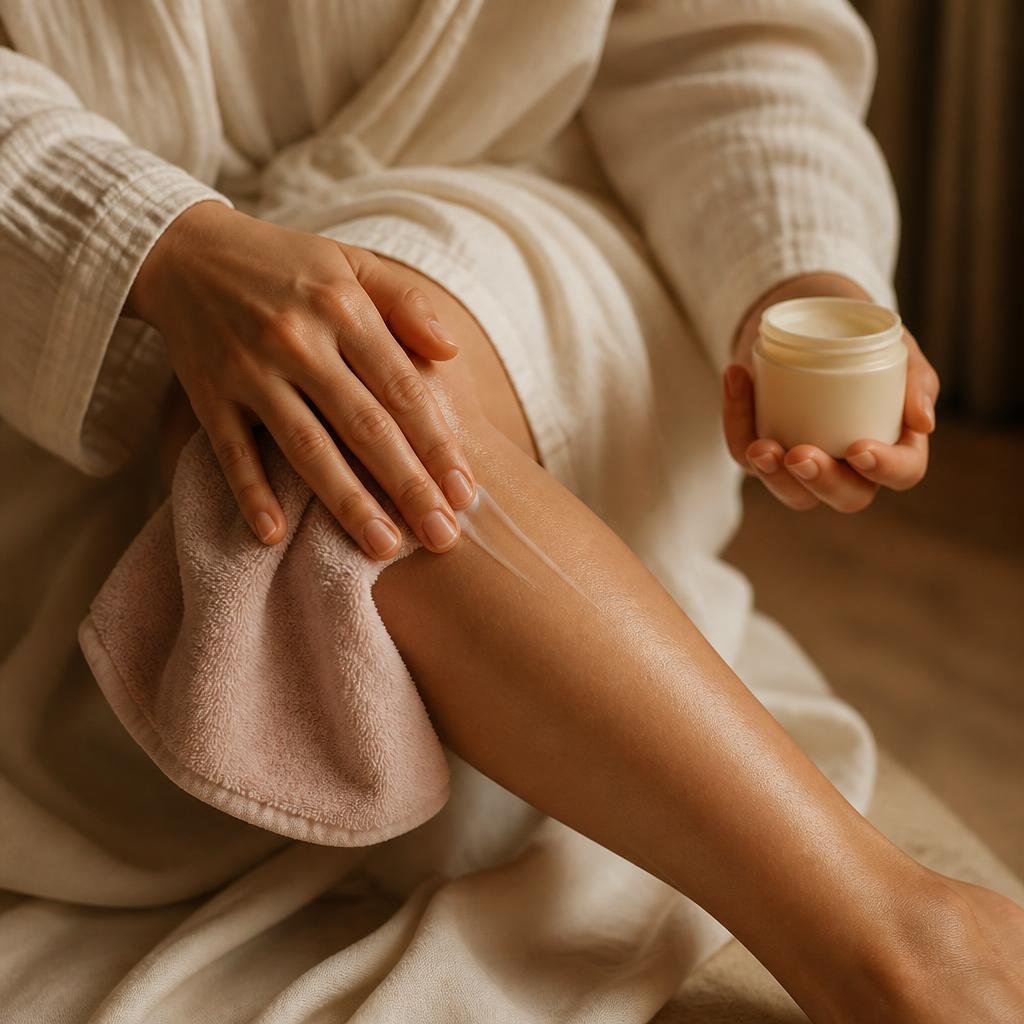
After waxing, we recommend using a cool pack for discomfort, wearing loose clothing, applying a non-comedogenic moisturiser and avoiding hot baths or showers.[2] If redness or swelling lasts longer than two days, we recommend contacting a dermatologist.[2] This general information is not a diagnosis or individual medical advice.
What shouldn’t I do after a waxing appointment?
Your comfort after waxing is shaped by the care taken at the salon and by your skin’s individual response; aftercare matters too. Choose a salon with clear hygiene practices, speak up if a technique feels too forceful, and treat your skin gently afterwards. Even with careful practices, some temporary redness or soreness can happen.[1][2]
Common mistakes include taking a hot bath or shower after waxing, wearing tight clothing that rubs the area, and using a moisturiser that can clog pores. We recommend avoiding hot baths or showers, choosing loose clothing and applying a non-comedogenic moisturiser instead.[2]
Ready to experience exceptional care?
Explore our grooming and waxing services to see the current menu, or book an appointment. If you are unsure whether waxing is right for your skin today, ask us before you book.
References and citations
Vesna’s practical recommendations and hygiene standards are supported by the linked dermatology, public-health and professional sources.