
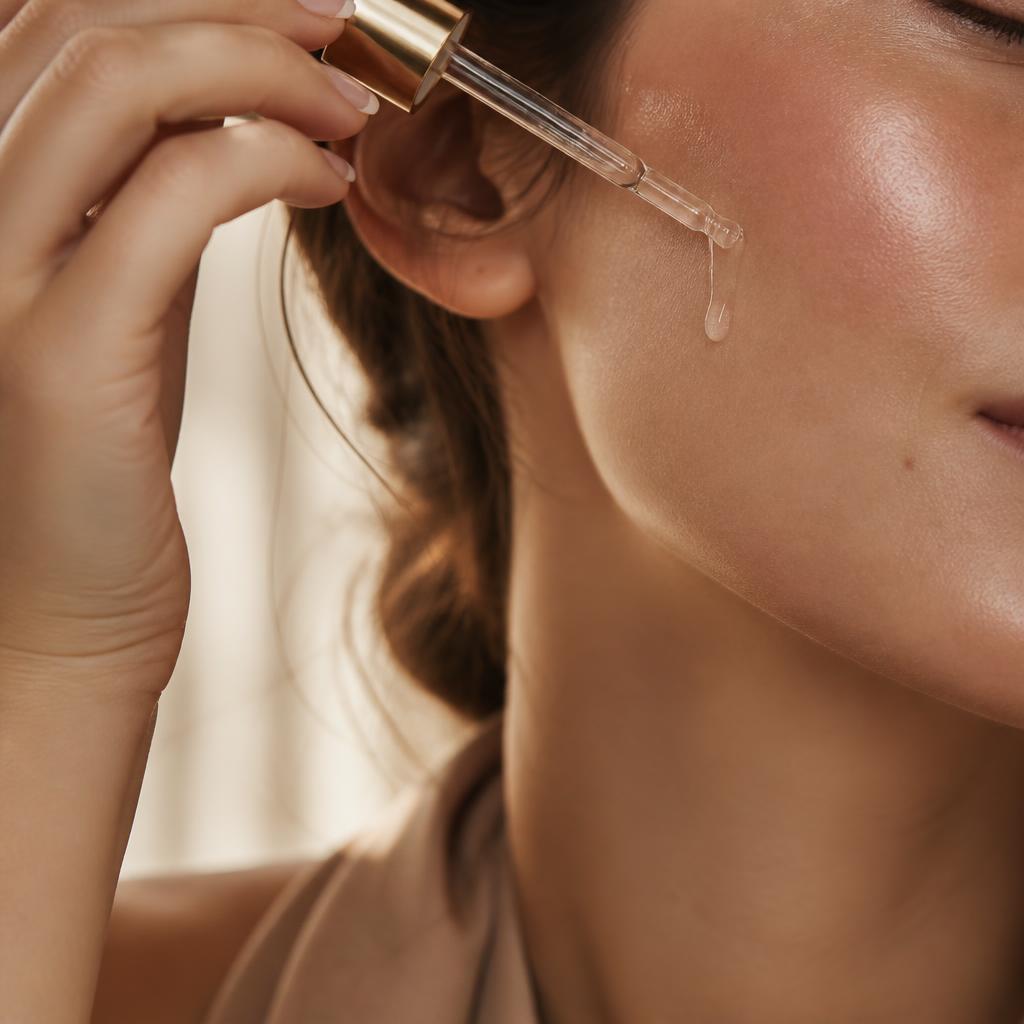
What is hyaluronic acid?
Hyaluronic acid is a naturally occurring substance found in the skin. In skincare, it is mainly used as a humectant: an ingredient that helps attract and hold water in the outer layers of the skin.
It is not an exfoliating acid. It does not peel the skin or remove its surface. Its role is closer to supporting hydration, comfort, and a smoother-looking finish.
At Vesna Beauty Lounge in Al Nahyan, Abu Dhabi, we see hydration as one part of understanding the skin properly. Skin can feel tight or look dull after heat, sun exposure, air conditioning, cleansing, or an unsuitable routine. That does not always mean the skin needs more products. It may need better-matched care.
What can hyaluronic acid do?
Regular topical hyaluronic acid can help improve the appearance of tight or uncomfortable skin, temporary dehydration lines, rough or less supple texture, and dullness linked to dehydration.
For some people, hyaluronic acid can help the skin feel more hydrated, soft, and smooth within one to two weeks of consistent use. Every person’s skin is different, so results will vary. We’re happy to advise you on the formula and routine that may work best for your skin.[1][2]
We recommend applying a hyaluronic-acid product according to its instructions and following it with a moisturiser. A moisturiser helps support the skin’s protective surface and reduces the chance that the skin will feel dry again after the water-based product has been applied.

Can hyaluronic acid repair broken skin?
We would not describe hyaluronic acid as a treatment for broken, wounded, infected, or actively irritated skin. It may support hydration and help the skin feel more comfortable when the moisture barrier is under stress. However, open skin, persistent redness, eczema, dermatitis, or a skin reaction may need medical assessment rather than another cosmetic product.
We recommend pausing new active products if the skin is stinging, cracked, inflamed, or unusually reactive. If the problem continues, we recommend speaking with a qualified healthcare professional.
Can hyaluronic acid lighten dark spots?
Hyaluronic acid is not primarily a pigmentation treatment. Better hydration may make the skin look fresher and more even, but hyaluronic acid alone should not be described as removing or lightening dark spots.
Pigmentation can have different causes, including sun exposure, inflammation, hormonal changes, acne, and previous skin injury. We recommend looking at the cause before choosing a targeted routine. We also recommend daily broad-spectrum sun protection when uneven tone or dark spots are a concern.[3][6]
What can you use alongside hyaluronic acid?
Hyaluronic acid can sit comfortably within a wider routine, but more ingredients do not automatically mean better skin. We recommend introducing one new product at a time and paying attention to how the skin responds.
- Vitamin C: It can even help with photoageing, collagen support, and the appearance of uneven pigmentation. We recommend considering a well-formulated vitamin C product when the main concerns are dullness, uneven-looking tone, or environmental exposure. Vitamin C does not replace sunscreen, and formulas can vary significantly in strength and stability.[4]
- Niacinamide: This form of vitamin B3 may support the skin barrier and the appearance of uneven tone and environmental stress. We recommend niacinamide when the skin needs a gentle, multi-purpose ingredient that supports comfort and moisture retention.[5]
- Sunscreen: We recommend broad-spectrum sunscreen every morning when pigmentation or photoageing is a concern. For people concerned about melasma or post-inflammatory pigmentation, a tinted sunscreen containing iron oxides may also help protect against some visible light.[3][6]
- Targeted ingredients: Some people may benefit from ingredients such as azelaic acid or a retinoid. We recommend choosing these with professional guidance, as they are not suitable for every skin type and may cause irritation when introduced too quickly.
How professional Hydradermie care fits in
The Vesna treatment menu includes Guinot Hydraderm facial treatments, and our professional treatment image features the Hydradermie 1000 with a hyaluronic-acid Youth Infusion treatment.
A professional treatment and a home serum have different roles. A Hydradermie treatment provides a focused, in-studio facial experience selected according to the skin’s condition and goals. Home hyaluronic acid supports consistent care between appointments.
We recommend looking at the whole routine: daily protection, suitable home care, professional guidance, and realistic expectations. We recommend scheduling professional facials according to the skin’s needs rather than following a fixed promise or timetable.
A simple hydration-focused routine
Morning
1. Gentle cleanser, if needed.
2. Hyaluronic acid on slightly damp skin.
3. Moisturiser.
4. Broad-spectrum sunscreen.
Evening
1. Gentle cleanse.
2. Hyaluronic acid if the skin benefits from it.
3. Moisturiser.
4. One targeted active only if the skin is ready for it.
1. Gentle cleanser, if needed.
2. Hyaluronic acid on slightly damp skin.
3. Moisturiser.
4. Broad-spectrum sunscreen.
Evening
1. Gentle cleanse.
2. Hyaluronic acid if the skin benefits from it.
3. Moisturiser.
4. One targeted active only if the skin is ready for it.
We recommend keeping the routine simple enough to follow consistently. If the skin feels tight, stings, becomes unusually red, or develops persistent irritation, we recommend stopping the newest product and seeking professional advice.
The Vesna approach
Hyaluronic acid can be useful, but it is not a solution for every skin concern. It can support hydration and help the skin look smoother and more comfortable. Vitamin C, niacinamide, sunscreen, and targeted ingredients may also have a place, depending on what the skin actually needs.
We recommend assessing the skin before choosing a treatment or adding another active. The goal is not to use the most products. The goal is to build a routine that respects the skin and supports a natural-looking result.
References and citations
- Benefits of topical hyaluronic acid for skin quality and signs of skin aging — Dermatologic Therapy
- Efficacy Evaluation of a Topical Hyaluronic Acid Serum in Facial Photoaging — Dermatology and Therapy
- Sun Advice for Skin of Colour — British Association of Dermatologists
- Topical Vitamin C and the Skin — Clinical, Cosmetic and Investigational Dermatology
- Mechanistic Basis and Clinical Evidence for Nicotinamide — Antioxidants
- Melasma — DermNet