
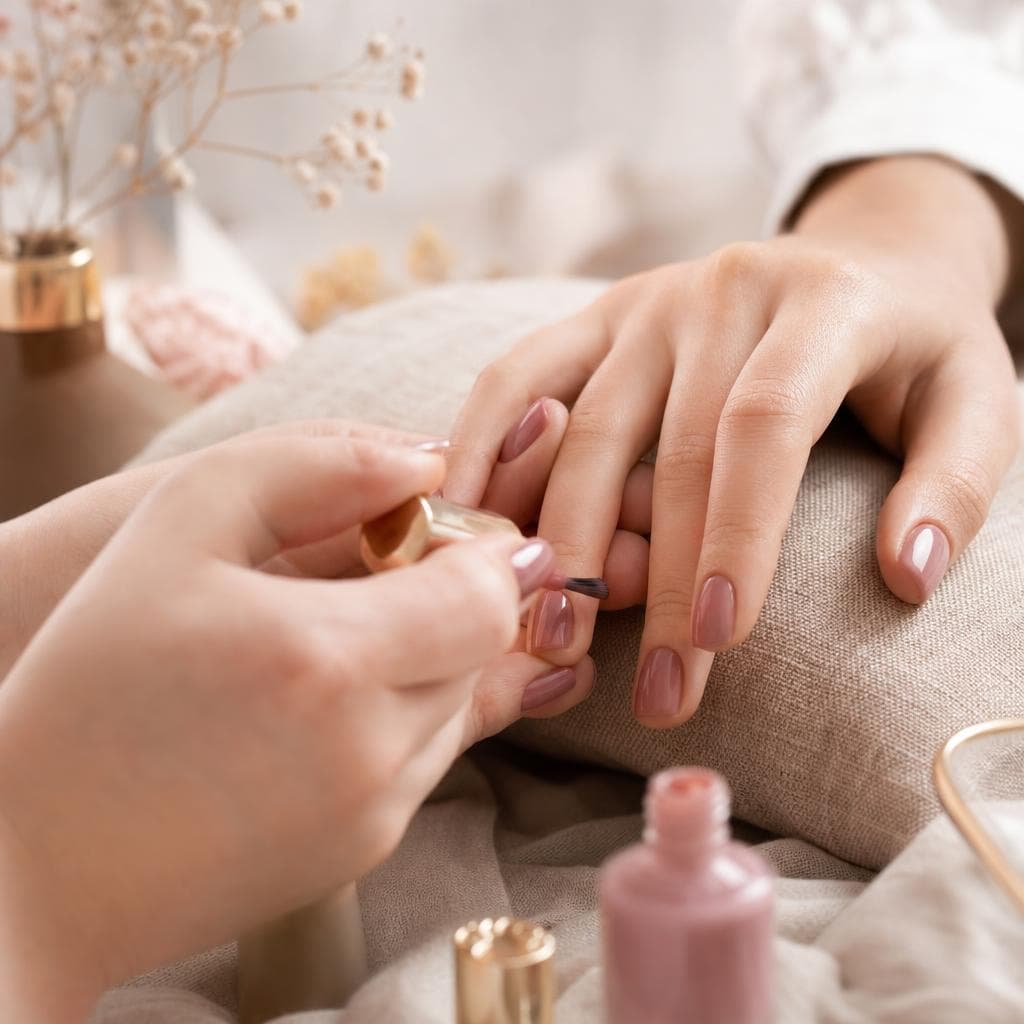
A fresh gel manicure should make everyday life feel easier, not give you another list of things to worry about. Wear time varies with your nails, your routine, and the products used, but a few small habits can help your manicure stay tidy for longer.
How long should gel nails last?
Gel manicures are designed to be long-lasting, but a single wear-time promise would be misleading. We recommend looking at the natural nail, the product, the length and shape, and the way you use your hands. The American Academy of Dermatology notes that gel manicures can be tough on nails and may contribute to brittleness, peeling, and cracking with repeated use.[1]
Why do gel nails start lifting?
Lifting has more than one possible cause, and it is not always possible to diagnose from home. Natural nail growth, impact, product exposure, or a length that does not suit your routine may all be relevant. DermNet New Zealand notes that sensitivity to nail-cosmetic ingredients can cause contact dermatitis and nail changes.[4] We recommend treating lifting as useful information rather than trying to glue, pick, or file the area back into place.
What about swimming in the ocean?
Swimming in the sea does not automatically mean you need to avoid gel. We recommend rinsing your hands with fresh water after swimming, drying around and underneath the nails gently, applying cuticle oil, and not using the nails to scrape sand or open anything. Repeated contact with water and irritants can damage the skin barrier, so the British Association of Dermatologists recommends protective gloves for irritating chemicals and water, together with regular emollient use.[3] If you are swimming often and notice lifting, tell us so we can help choose a more practical length and shape.
What we recommend from day one
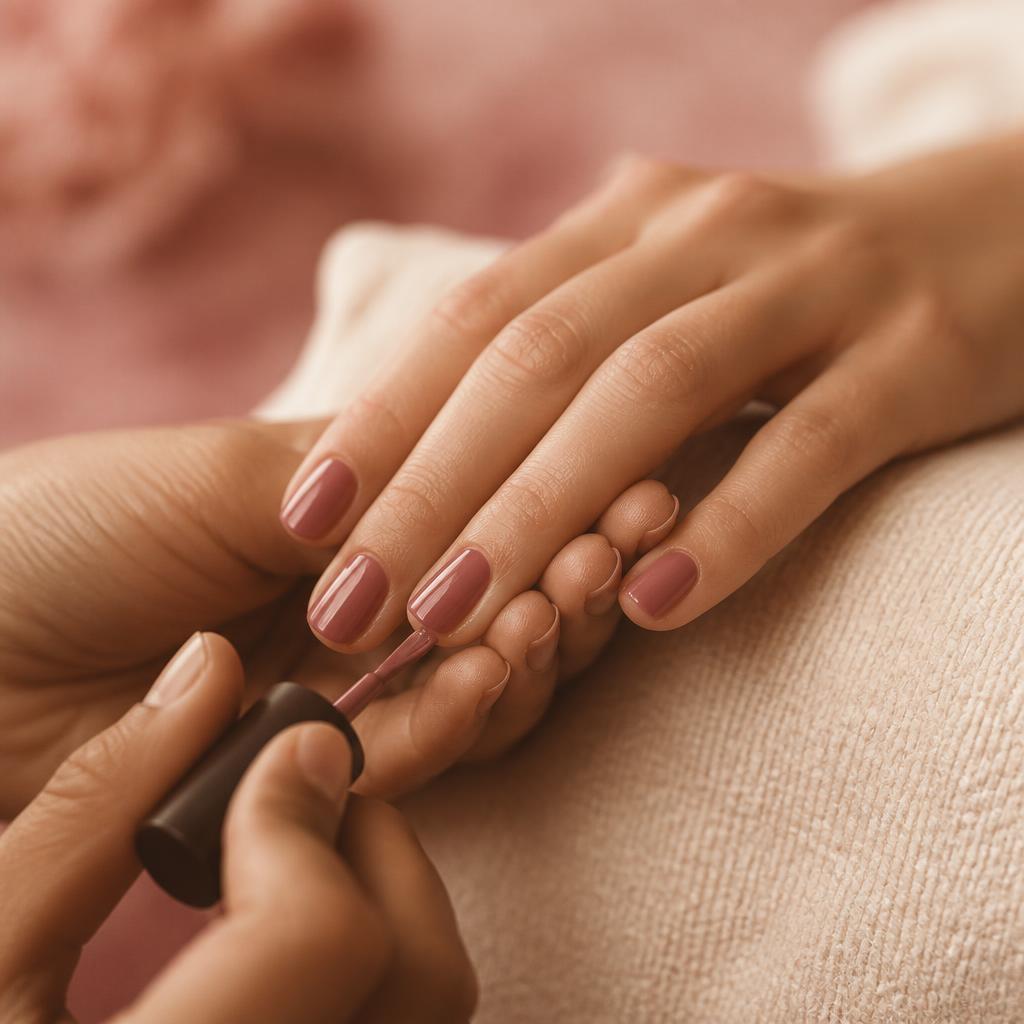
We recommend telling your nail professional how you use your hands before choosing the length and shape. A practical shape for your work, home routine, and lifestyle is often more helpful than a length that looks beautiful but catches on everything. When gel has been correctly applied and cured, there is no general need to wait a full day before using your hands normally; follow the aftercare advice given for your service.
Do: protect your nails from prolonged soaking
We recommend wearing gloves when cleaning or using strong household products. Repeated soaking, frequent sanitiser use, and exposure to cleaning chemicals can leave the hands and surrounding skin feeling dry. The British Association of Dermatologists advises protecting hands from irritants and water, and applying moisturiser regularly, especially after hand washing.[3]
Do: use cuticle oil and hand cream
We recommend applying a little cuticle oil around the nail at least once a day, especially after washing your hands or swimming, and following with hand cream. Daily light care is usually easier to maintain than waiting until the skin feels very dry. Regular moisturising helps support the skin barrier, and dermatology guidance recommends applying it after hand washing or whenever the skin feels dry.[3] The American Academy of Dermatology also recommends moisturising the nails, particularly after nail polish removal.[2]
Small aftercare details people often miss
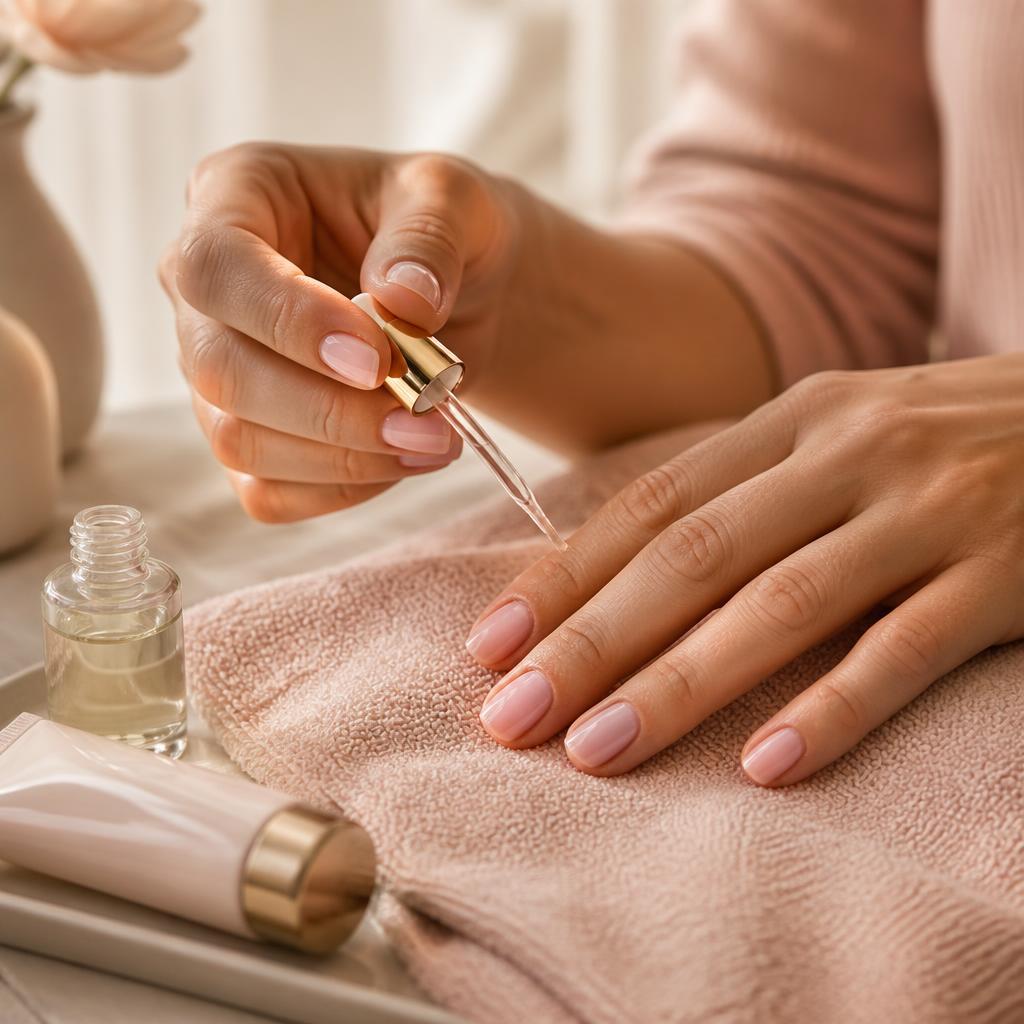
- Keep oil where you use it: Leave a small bottle by your hand soap or bedside table so daily care is easy to remember.
- Use cotton-lined gloves: They are more comfortable for longer cleaning jobs. The British Association of Dermatologists specifically recommends cotton gloves underneath or cotton-lined gloves when working with irritating chemicals or water.[3]
- Clean underneath gently: Use a soft nail brush and mild soap rather than a sharp tool. Scraping underneath can put pressure on the natural nail.
- Notice the timing of lifting: Lifting is useful information. It may mean the manicure needs attention, the length does not suit your routine, or your nails need a different approach next time.
- If an edge catches, do not file across the gel: Protect the nail and arrange a professional repair or safe removal instead.[1]
Do: treat your nails as jewellery, not tools
We recommend using your fingertips or the right tool to open lids, lift labels, or prise things apart. Using the nail edge as a tool can put pressure on the natural nail and cause chips, cracks, or lifting.
Don’t: pick or peel the gel
If a corner starts to lift, we recommend resisting the temptation to pull it away. Peeling can take layers of the natural nail with it and make the next manicure more difficult. The American Academy of Dermatology recommends careful gel removal rather than damaging the nail during the process.[1] Keep the nail protected and arrange a safe removal or repair instead.
Don’t: file across the gel or cut it off yourself
Filing down a lifted edge or cutting through the product can thin the natural nail and leave an uneven finish. We recommend letting a nail professional assess what has lifted and use the appropriate removal method rather than filing through the product at home.[1]
What should I do if one nail starts peeling?
Do not pull at the one lifted nail or try to make it match the others at home. Protect it from catching, avoid scraping underneath, and contact the salon for advice. A single nail may need a simple repair, while repeated lifting may call for a different length, shape, or product approach.
Don’t: ignore pain, swelling, or a change in the natural nail
A little regrowth is normal, but lifting that catches on clothing, pain, swelling, unusual discolouration, or a change in the natural nail deserves attention. The Australasian College of Dermatologists advises that changes in nail colour or texture can point to an underlying health issue and may need assessment by a GP or dermatologist.[5] Stop picking at the area and ask a qualified nail professional for advice. Persistent pain or a concerning skin or nail change may need medical assessment.
How should gel nails be removed?
We recommend removal that follows the product’s appropriate soak-off method rather than peeling, scraping, or filing through the product at home. The American Academy of Dermatology describes careful gel removal and recommends taking steps to avoid damaging the natural nail.[1] Safe removal also lets us check whether the next manicure should be shorter, lighter, or shaped differently.
If your gel is lifting, come in
References and citations
General nail and skin-safety claims are linked to the cited dermatology and public-health organisations. Vesna’s practical service recommendations are editorial guidance and do not replace medical advice.
- 1. American Academy of Dermatology — Gel manicures: Tips for healthy nails
- 2. American Academy of Dermatology — Manicure and pedicure safety
- 3. British Association of Dermatologists — Hand dermatitis (hand eczema)
- 4. DermNet New Zealand — Nail cosmetics allergy
- 5. Australasian College of Dermatologists — Day 3: Nails